Installing a french drain basement system keeps water away from your foundation, cuts down on musty smells, helps prevent mold, and protects your home’s structure and resale value. It is one of the most reliable, low‑maintenance ways to manage groundwater around a basement.
Why a French Drain Basement Solution Matters More Than You Think
When I talk to homeowners about a french drain basement system, I usually see the same look at first. They picture some fancy, complicated plumbing project and worry about cost and mess. Then we start talking about what constant dampness really does to a house and to the people living in it.
Water in a basement is not just a small annoyance. It slowly breaks down concrete, rots wood, and feeds mold. That musty smell you notice after a rainstorm is not just “old house smell.” It is a warning sign. A french drain basement solution is one of the most direct ways to move that water away before it can cause damage.
In this guide, I will walk through what a french drain basement system is, how it actually works, why it helps so much, and how to decide if it is right for your home. I will keep the language simple, but I will not skip the real details you need to make a smart decision.
What Is A French Drain Basement System, In Simple Terms
A french drain basement system is basically a hidden channel that collects water and carries it away so it cannot push through your basement walls or floor. The goal is to give water an easier path somewhere else, so it does not choose your basement as the path of least resistance.
Most french drain basement setups share the same core parts:
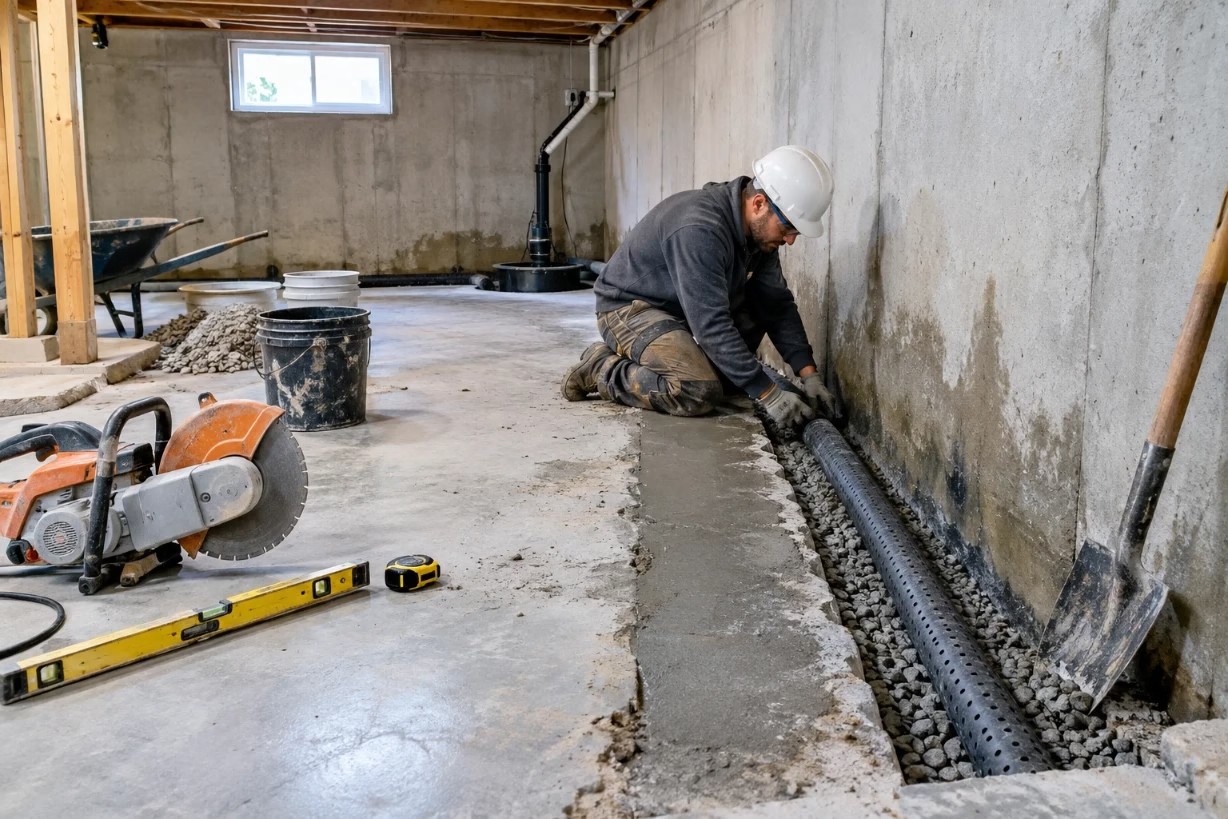
First, there is a trench. For interior systems, that trench is cut into the concrete floor, around the inside edge of the basement. For exterior systems, the trench runs along the outside of the foundation. The trench sits lower than the basement floor or footing so that water naturally flows into it.
Inside that trench is a perforated pipe. This pipe has small holes along its length. Water seeps through those holes into the pipe. Wrapped around and under the pipe is gravel or crushed stone. The gravel lets water move freely toward the pipe and helps keep soil from clogging those little openings.
At one end of the french drain basement system, there is a place for the water to go. For most houses, that is a sump pit with a sump pump that pushes water out to your yard, storm drain, or drainage ditch. In some setups, water can drain by gravity alone to a lower spot on the property.
All of this is usually hidden when the work is done. Inside, the trench is covered and sealed with new concrete. Outside, the trench is covered with soil and landscaping. But the french drain basement system keeps working quietly every time it rains or the groundwater rises.
Top Signs Your Basement Needs A French Drain
You do not need to be an engineer to spot warning signs that a french drain basement solution might be overdue. Your house and your nose will often tell you a lot if you pay attention.
Consistent Dampness After Rain
If you walk into the basement a day or two after a storm and the air feels heavy or sticky, or the floor looks damp in the same spots every time, that is a clear signal. The groundwater is building up around your foundation and has nowhere better to go.
Musty Smell Or Visible Mold
Mold loves basements that stay even slightly damp. That stale, earthy odor means moisture is hanging around too long. You might notice dark spots on concrete, fuzzy patches on wood, or peeling paint on the lower parts of walls. A french drain basement system cuts off the constant moisture that mold feeds on, instead of just cleaning the surface over and over.
Efflorescence Or White Chalky Streaks
Those white, chalk-like streaks on concrete or masonry are minerals left behind when water seeps through and then evaporates. Regular efflorescence on walls or floor is a strong hint that water pressure is pushing from the outside. A french drain basement setup reduces that pressure by letting water flow into the drain instead of through the wall.
Cracks Or Bowing Walls
Water is heavy. When the soil around your foundation holds water, it swells, and that extra pressure pushes on the walls. Over time, this can cause horizontal cracks, step cracks in block walls, or even slight inward bowing. By lowering the water level around your foundation, a french drain basement system helps ease that outward push.
Standing Water Or Puddles
Obvious puddles on the basement floor are the clearest sign of all. Even if the water eventually dries, that cycle of wet and dry is rough on building materials and anything stored down there. A french drain basement solution aims to catch and move that water before it ever spreads across the floor.
How A French Drain Basement System Actually Protects Your Home
The real value of a french drain basement is not just a drier floor. It is the chain reaction it stops. Water that never reaches your basement walls or slab cannot start that long list of hidden problems that cost a lot more later.
Relieves Hydrostatic Pressure On Basement Walls
Hydrostatic pressure is the force that water-soaked soil puts on your foundation. When the ground around your house fills with water, that weight presses against the concrete. If the pressure keeps building, the water looks for weak spots: hairline cracks, cold joints, gaps around pipes. That is how leaks start.
By giving water an easy path into the french drain basement trench, you lower the water level right next to the walls. Lower water level means lower pressure. Lower pressure means less cracking, bowing, and leaking over time.
Helps Keep Mold Out Of Living Spaces
Mold needs three basic things: moisture, organic material, and the right temperature. Basements already have cooler, stable temperatures and things like wood framing, cardboard boxes, and dust. If you let moisture join that party, mold will show up, and those spores do not stay in the basement.
Air in a house moves upward. Moist air and spores can travel through tiny gaps, ductwork, and stairwells into the main living areas. That can bother allergies, asthma, and overall indoor air quality. A well built french drain basement system keeps the foundation area dry enough that mold has a much harder time getting started.
Protects Finished Basements And Stored Items
If you have a finished basement with carpet, drywall, or built-in shelving, you already know how even a small leak can turn into a big repair bill. Drywall soaks up water like a sponge. Carpet and padding can hold moisture for days. Ruined furniture and boxes of family memories are hard to put a price on.
With a french drain basement system in place, water is collected at the edges before it can spread under walls or across finished flooring. Even if you never plan to finish the basement, the cost of replacing boxes, tools, or appliances that sit on the floor adds up fast.
Supports Long-Term Foundation Stability
Concrete itself is strong, but it is not perfect. Repeated cycles of wetting and drying, along with freeze and thaw in colder climates, slowly weaken it. When water sits against your foundation year after year, small cracks can grow, and the footing can lose support.
A french drain basement solution is like pressure relief for the entire structure. By pulling water away from the base of the house, it helps keep the soil more stable and reduces that constant attack on the concrete. This can extend the life of your foundation and make other repairs more effective.
Interior Vs Exterior French Drain Basement Systems
When people search for “french drain basement,” they often see both interior and exterior systems mentioned and get confused about which one they need. Both aim for the same goal, but they work from different sides of the wall.
Interior French Drain Basement System
An interior system is installed from inside the basement. A narrow strip of the concrete floor is cut and removed around the perimeter, close to the walls. A trench is dug down to the footing level, a perforated pipe and gravel are placed, and the pipe is sloped gently toward a sump pit with a pump. Then the trench is covered again with fresh concrete.
Interior french drain basement systems have some clear strengths. They can be installed in almost any weather, do not require digging up your yard, and are often less expensive than full exterior work. They also give a direct path for water that is already sneaking under the footing or through the cove joint where wall meets floor.
Exterior French Drain Basement System
An exterior system sits on the outside of the foundation. Contractors dig down along the basement wall all the way to the footing. They lay a perforated pipe alongside the foundation, surround it with gravel, often add a filter fabric, and backfill the trench. Many times, they also apply a waterproofing layer to the outside wall before refilling.
An exterior french drain basement setup targets water before it ever reaches the wall. It keeps the soil around the foundation less saturated and works with surface drainage like gutters and grading. The tradeoff is that it can be more disruptive to landscaping, driveways, or patios near the house and usually costs more due to the excavation work.
Which Option Makes More Sense For You
The right choice depends on your house, your soil, and your budget. If you have heavy seepage at the wall-floor joint or water coming up through cracks in the slab, an interior french drain basement system is often the most practical fix. If your yard slopes toward the house, gutters overflow, and your foundation walls are bare on the outside, an exterior system paired with better surface drainage might give the best long-term result.
Many homes actually benefit from a mix of solutions: improved gutters, soil grading, maybe an exterior drain on the worst side of the house, and an interior french drain basement system tied to a reliable sump pump inside.
French Drain Basement Vs Quick Fixes
I have seen a lot of stopgap tricks tried before people finally look into a real french drain basement system. Some work a little for a while, but they rarely solve the root problem.
Sealants And Waterproof Paints
Waterproof coatings on the inside of basement walls can help with light seepage and surface dampness. But they do not remove the water pressing on the outside of the wall. Over time, cracks can form under the paint, and the water finds a new path. Without reducing pressure, you are just putting a bandage on a deeper issue.
Dehumidifiers Alone
A dehumidifier can improve the comfort level in a damp basement by pulling moisture from the air. But if you have water actually seeping in, the machine is just treating the symptom. It runs nonstop, raises your electric bill, and still does not protect your foundation. A french drain basement system works at the source by controlling water entry.
Patch Repairs On Cracks
Filling visible cracks with epoxy or hydraulic cement can be part of a complete fix. Yet, if water is building up around the foundation, new cracks may appear or old ones may reopen. When you add a french drain basement solution, those crack repairs have a much better chance of staying solid because the pressure behind them drops.
What The Installation Process Usually Looks Like
Many homeowners picture french drain basement work as a chaotic, never-ending project. In reality, a typical interior system in an average-sized house often takes a few days, not weeks, when done by an experienced crew.
Inspection And Planning
First comes a careful look at the problem: where water shows up, the pattern after rain, existing cracks, and the layout of utilities. The installer maps out where the trench will go, where the sump pit should sit, and how the discharge line will exit the house.
Cutting And Digging The Trench
For an interior french drain basement system, workers cut a strip of the slab near the walls, usually about a foot wide. They remove the concrete and dig down beside the footing. This part is noisy and dusty, but with proper plastic sheeting and fans, the mess can be contained fairly well.
Laying Pipe, Gravel, And Sump Basin
Once the trench is ready, they place the perforated pipe, often wrapped or combined with a filter to limit clogging. Gravel is added around and over the pipe. At the low point, a sump basin is set in place, ready for the pump. The french drain basement line is sloped slightly so water naturally flows into that basin.
Concrete Replacement And Cleanup
After the piping is in, fresh concrete goes back over the trench to restore the floor. Once it cures, you can walk and place items there again. The sump pump is wired to power, and the discharge line is run through the wall and away from the foundation. A good installer will test the entire french drain basement setup by adding water to the system and confirming it moves as designed.
Maintenance Tips To Keep A French Drain Basement Working
One of the nice things about a french drain basement system is that it is mostly low maintenance, especially compared to constant cleanup from leaks. Still, a few habits will keep it performing well for many years.
Check The Sump Pump Regularly
At least once every few months, and before heavy rainy seasons, pour some water into the sump pit. Make sure the pump kicks on, empties the pit, and shuts off correctly. If you rely on your french drain basement system, consider a battery backup pump so you are not left helpless during power outages.
Keep The Discharge Line Clear
Walk outside and see where the discharge line ends. Make sure it is not blocked by leaves, ice, mulch, or soil. The water should flow away from the house, not pool near the foundation again. If needed, add an extension or splash block to guide the water further downhill.
Watch For New Cracks Or Changes
Even with a good french drain basement system, it is smart to glance at your walls and floor a few times a year. If you notice new, large cracks, significant bowing, or new leak patterns, get them checked. Often, small adjustments early prevent bigger structural repairs later.
Cost And Long-Term Value
Cost is always the hard part of any home improvement talk. Prices for a french drain basement system depend on the size of your basement, whether the system is interior or exterior, local labor rates, and how complex the job is. It is not a tiny project, and I will not pretend it is.
But compare that upfront cost with the hidden costs of doing nothing: replacing soaked carpets after every big storm, hiring mold remediation, losing stored items to moisture damage, higher heating bills from damp air, and possible foundation repair down the road. Many homeowners only add up those numbers after years of patching by hand.
When you invest in a solid french drain basement solution, you are really buying peace of mind and protecting one of your biggest assets. You also make your house more attractive to future buyers. Many buyers see a professional drainage and waterproofing system as a strong selling point instead of a red flag.
When You Should Seriously Consider Installing One Now
Not every hairline crack means you must rush into a french drain basement project. But there are certain situations where waiting tends to make things worse, not better.
You should think about acting soon if you notice repeated dampness, several storm-related leaks, visible mold growth, or growing foundation cracks. You should also move faster if anyone in the home has breathing issues that might be made worse by damp air or mold.
If the basement is finished, every leak is like pouring money onto the floor. And if you plan to finish the basement in the future, getting the french drain basement work done first is one of the smartest moves you can make. It sets a dry, stable base for everything else.
Final Thoughts: Why A French Drain Basement Is Worth Serious Attention
Water is patient. It does not care how new your house is or how nice the finishes are upstairs. It quietly looks for the easiest way to move, and without a plan, that path often ends in your basement. A well designed french drain basement system gives that water a clear, controlled route away from your home.
By cutting down on moisture, lowering pressure on the walls, and feeding water into a reliable sump system, a french drain basement solution helps you avoid mold, protect your foundation, and keep your basement useful instead of off-limits. For many homes, it is not just another upgrade. It is a key part of long-term stability and comfort.