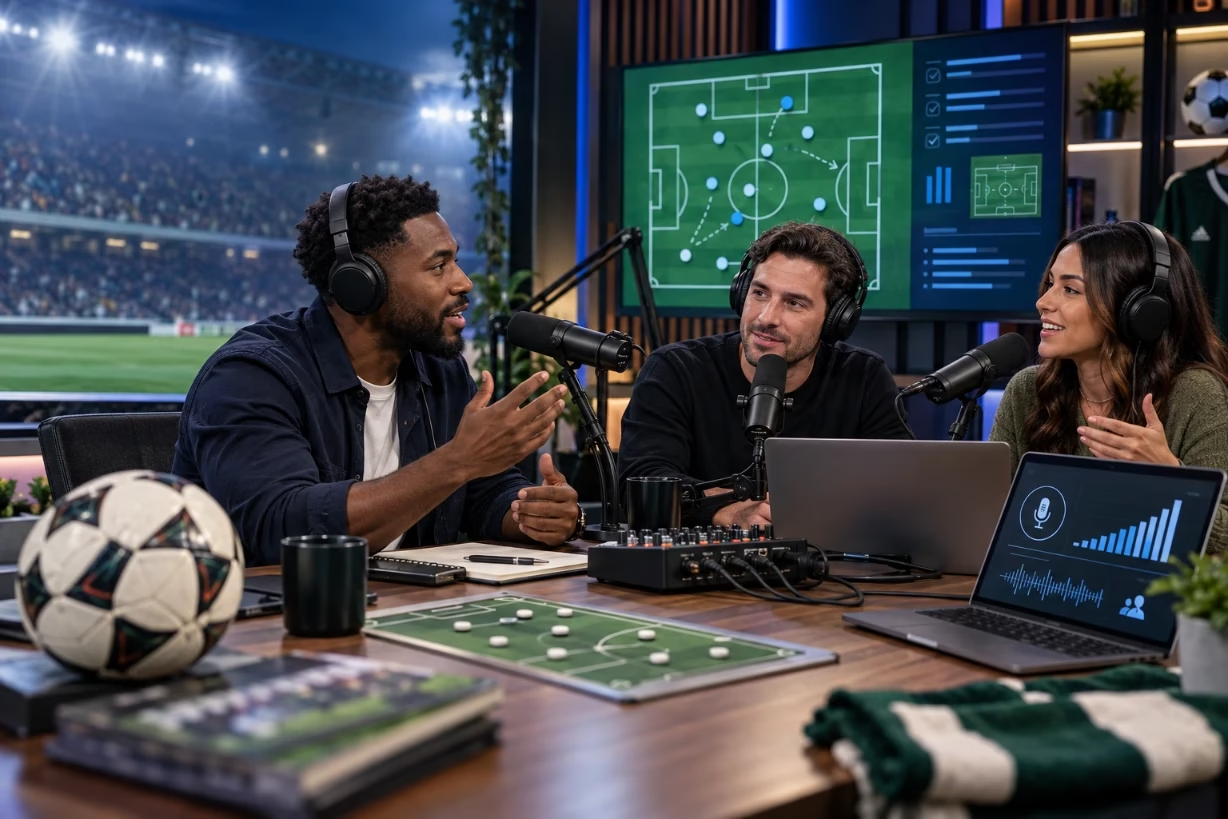
Talking soccer is becoming the top sports podcast because it mixes deep tactical insight, smart storytelling, and real fan emotion in a way that feels like sitting with friends at a bar, while still staying sharp enough for coaches, players, and serious soccer nerds.
If you care about soccer at all, you have probably felt this shift. A few years ago, most people got their football talk from TV studios, quick highlight shows, or short clips on social media. Now, more and more fans open their phone, plug in their earbuds, and search for one thing: talking soccer. Not just scores and headlines, but real, honest, long conversations about the game they love.
Why Talking Soccer Fits Perfectly With How Fans Consume Sports
When I look at why talking soccer is rising so fast, it starts with how fans watch sports now. Soccer does not fit neatly into short clips. The game has long build ups, weird tactical tweaks, and emotional stories that play out over months and years. A 30-second recap cannot cover why a fullback keeps drifting inside, or how a coach changed the dressing room culture.
Talking soccer podcasts fill that gap. A host can take 45 minutes to unpack a single match, a transfer window, or even one young player. Fans listen while commuting, working out, cooking, or walking the dog. It slides into daily life without needing a TV or a full hour on the couch.
This is a key reason talking soccer is becoming the top sports podcast format: the sport and the medium fit together almost perfectly. Soccer is long form. Podcasts are long form. Listeners finally get the depth the game deserves, on their own schedule.
The Human Side: Why Fans Trust Talking Soccer Voices
When I think about the shows I keep coming back to, it is never just the stats or analysis. It is the people. Talking soccer works because the voices on these podcasts feel human, honest, and a bit vulnerable. They admit when they were wrong about a player. They share stories about staying up for a 3 AM kickoff. They vent after a painful loss.
That mix of knowledge and emotion builds trust. Listeners start to feel like they know the host. They hear the same laugh, the same sigh, the same small rants week after week. Over time, that creates a bond that a TV panel often struggles to match. Even if the host lives on the other side of the world, it feels like a local supporter sitting beside you, talking soccer with the same love and frustration you feel.
Trust is a huge reason talking soccer stands out among sports podcasts. In a world full of quick takes and hot opinions, a long, thoughtful voice that respects the listener becomes rare and valuable. Fans follow that voice, even across seasons, clubs, and leagues.
Deeper Tactics: Why Soccer Nerds Flock To Podcasts
Soccer tactics used to be limited to a few chalkboard sketches on TV. Now, fans want to know why their team plays a 4-3-3, how pressing traps work, or what it means when a striker drifts into half spaces. That kind of detail does not always fit on social media, but it thrives in talking soccer podcasts.
A host can pause, explain a concept, compare it to another match, or even admit that a coach is trying something strange and risky. Some shows go frame by frame through key moments. Others break down an entire season plan, from preseason to the title race. Listeners can rewind, replay, and revisit episodes when they watch games again.
This depth helps talking soccer gain authority in a way that surface-level sports talk cannot. When a listener walks away actually understanding why their team looked better against a low block or how a double pivot protected the back line, they want more. They start to treat the podcast as part of their weekly match routine.
Global Game, Global Voices: How Talking Soccer Crosses Borders
Soccer is already the most global sport on earth. A kid in Texas might support Barcelona, follow the U.S. women’s national team, and stay up late for the World Cup. Talking soccer podcasts build on that global reach. Hosts and guests can join from London, Lagos, New York, Buenos Aires, or Tokyo, all on the same episode.
This creates something TV often fails to give: multiple angles on the same game. A derby in England can be discussed by a local fan who grew up in the stadium stands, a tactical analyst in Europe, and a new fan in Asia who only discovered the club through social media. The mix of accents, cultures, and perspectives gives talking soccer a rich, layered feel.
For listeners, this is gold. It means they are no longer stuck with one national broadcast or one biased studio. They can hear how different cultures experience the same goal, the same scandal, or the same transfer rumor. That sense of being part of a global conversation is one major reason talking soccer is climbing to the top of sports podcast charts.
Why Talking Soccer Beats Traditional Sports Radio
Sports radio used to be the default for live sports conversation. But if you compare a random radio call-in show with a focused talking soccer podcast, the gap shows up quickly. Radio has to fit around ads, strict time slots, and local markets. It often leans on quick arguments, repeated stories, or same-day drama.
Talking soccer podcasts are different. The best ones feel like a smart, relaxed coffee chat that can go as long or as short as the topic needs. They are not trying to fill every second of airtime; they are trying to add real value for listeners.
In many cases, you also avoid the loud shouting matches and forced debates that some sports radio shows rely on. Instead, talking soccer tends to favor calm explanation, clear reasoning, and real data. That does not mean it is dull. Strong opinions still fly. But they are backed by thought and context, not just volume.
The Role Of Data: Analytics, Expected Goals, And Smart Stats
Modern soccer has moved far beyond simple shot counts. Fans now talk about expected goals, pressing intensity, passing networks, and more. These advanced metrics can confuse people when they are thrown up on a TV graphic for eight seconds. Podcasts, on the other hand, can slow down and explain what each number really means.
When a talking soccer host walks listeners through how expected goals helps judge finishing, or why a team’s pressing numbers dropped after a coaching change, it turns math into a story. Listeners do not just memorize the term; they feel how it changes their view of the game.
This is another reason why talking soccer gains loyal followers among both casual fans and data-loving supporters. The show becomes an ongoing class where you never feel judged for asking beginner questions. Over time, the audience gets smarter, and the host can push into even deeper layers of analysis.
Storytelling Power: Turning Matches Into Emotional Narratives
When I remember my favorite games, I rarely think just about the score. I remember who I watched with, what was at stake, and how my heart felt during the last five minutes. Talking soccer podcasts are powerful because they honor that emotional side of the sport.
A good host does not just say, “Team A won 2–1.” They explain how a late goal saved a manager’s job, how a veteran finally got his trophy, or how a young player handled pressure in front of a huge crowd. They may rewind to old tournaments, personal childhood memories, or past heartbreaks to give the moment weight.
This kind of storytelling makes talking soccer feel less like a dry report and more like a shared memory. Listeners often write in or send voice notes about where they were when a famous goal went in. The podcast becomes part of a shared emotional archive for fans around the world.
Community Building: From Passive Listening To Active Participation
One of the strongest reasons talking soccer is becoming the top sports podcast category is the community that forms around each show. Fans do not just listen. They send questions, join live chats, argue on social media, and support the podcast on membership platforms.
Hosts often read listener comments on air, answer tactical questions from kids and adults, and invite supporters to share their stories. Over time, a loyal group of regulars forms around the show. Names and handles start to become familiar. Inside jokes appear. The audience feels like part of something, not just a download number.
That sense of belonging keeps people coming back, even during slow weeks or off seasons. It also makes word-of-mouth growth incredibly strong. Fans tell friends, coworkers, or family members, “You should listen to this talking soccer show; it feels like hanging out with smart friends.”
How Talking Soccer Fits Different Types Of Fans
Not every soccer fan wants the same thing. Some care only about their club. Some are neutral and just love big games. Others are obsessed with transfers, youth development, or national teams. Talking soccer podcasts can adapt easily to all of these needs.
You can find shows that focus on a single club, breaking down every match, every training rumor, and every boardroom decision. You can find global roundup shows that look at multiple leagues in one feed. There are also niche talking soccer podcasts about tactics only, goalkeeper analysis, women’s soccer, or youth academies.
This range of options means each fan can build a playlist that fits their exact taste. A listener might start with one general show, then slowly add more specific talking soccer series that match their growing curiosity. Over time, their week fills with tailored voices that speak directly to their interests.
The Casual Side: Why Even New Fans Love Talking Soccer
It might sound like talking soccer is only for hardcore nerds, but that is not true. In many ways, podcasts are ideal for new or casual fans too. A good host will explain terms in simple language, tell background stories about clubs, and guide listeners through big tournaments like the World Cup or Champions League.
New fans often feel shy asking questions in public. They might not know the difference between a winger and a fullback yet, or how offside works in tricky situations. Listening to talking soccer lets them learn quietly, at their own pace. They can pause, replay, and look things up without anyone laughing at them.
This welcoming tone matters a lot. When a show makes room for beginners while still respecting advanced listeners, it grows much faster. Soccer has millions of new followers every year, and many of them now treat talking soccer as their main teacher.
Monetization And Quality: Why Better Funding Improves The Content
As listening numbers grow, talking soccer creators gain more ways to support their work. Sponsorships, paid memberships, live events, and merchandise all help hosts spend more time preparing, researching, and editing. This often leads to higher production quality and deeper reporting.
Better microphones, thoughtful sound design, regular release schedules, and well-prepared guests make the listening experience smoother and more professional. At the same time, many hosts stay close to their audience, listening to feedback and adjusting topics based on what fans actually care about.
Because the relationship between talking soccer creators and their listeners is so direct, money tends to reinforce trust rather than break it. Fans can see where their support goes: more episodes, better content, and sometimes even live shows in their city.
How Social Media Helps Talking Soccer Podcasts Grow
Social media and podcasts feed each other. Short clips from talking soccer episodes, shared on platforms like TikTok, Instagram, or X, give people a quick taste of the show. A sharp 30-second take on a big game can convince someone to check out the full episode.
At the same time, social platforms offer a space where hosts and listeners can keep talking soccer long after the episode ends. Polls about lineups, debates about referees, or simple meme sharing all help keep the show in people’s minds between releases.
This loop is powerful. Social media brings new ears to talking soccer. The podcast then gives deeper, more satisfying content than a single clip ever could. Those new listeners often become part of the long-term community.
Practical Tips For Starting Or Growing A Talking Soccer Podcast
If you are thinking about joining this space yourself, the path is more open than ever. You do not need a full studio on day one, but you do need a clear idea and consistent effort. Based on what works across top shows, a few simple principles stand out for anyone who wants to start talking soccer regularly:
- Pick a clear focus, like a league, club, or angle, so listeners know what they are getting.
- Release on a regular schedule so fans can build you into their routine.
- Speak in plain language, even when you cover complex tactics or stats.
- Invite listeners to send questions, stories, and feedback, then use them on air.
- Let your real personality show; people come for soccer, but stay for you.
If you lean into these basics and stay patient, you give your talking soccer show a real chance to stand out in a crowded field.
Why Talking Soccer Is Poised To Stay On Top
Some trends fade quickly, but talking soccer has strong roots. The game is global, the fan base is loyal, and the podcast format fits naturally with long seasons and deep stories. As more people get used to listening on the go, the habit of checking a favorite talking soccer feed after a big match will only grow stronger.
For many fans, these podcasts have already replaced pregame shows, call-in radio, and even some written match reports. They trust the familiar voices in their ears more than a random studio guest who appears for five minutes on TV. That deep trust, combined with smart analysis and emotional honesty, is the real reason talking soccer is becoming the top sports podcast category.
Whether you are a die-hard supporter, a new fan, or someone who just loves hearing smart people argue about a ball and a net, there is likely a talking soccer podcast out there that fits you perfectly. As the sport grows, those voices will continue shaping how millions of us see, feel, and discuss the beautiful game.
Conclusion: Talking Soccer As The New Home For Fans
Talking soccer has moved from a niche hobby to a central part of how fans follow the sport. By blending deep tactics, clear stats, emotional stories, and real community, it gives listeners something that old formats rarely did: the feeling of being truly seen and heard as a fan.
This is why talking soccer is not just another media trend. It has become the everyday meeting spot for people who live and breathe the game, no matter where they are in the world. From the first kickoff in August to the final whistle in May, talking soccer now guides how countless supporters think about every pass, tackle, and goal.