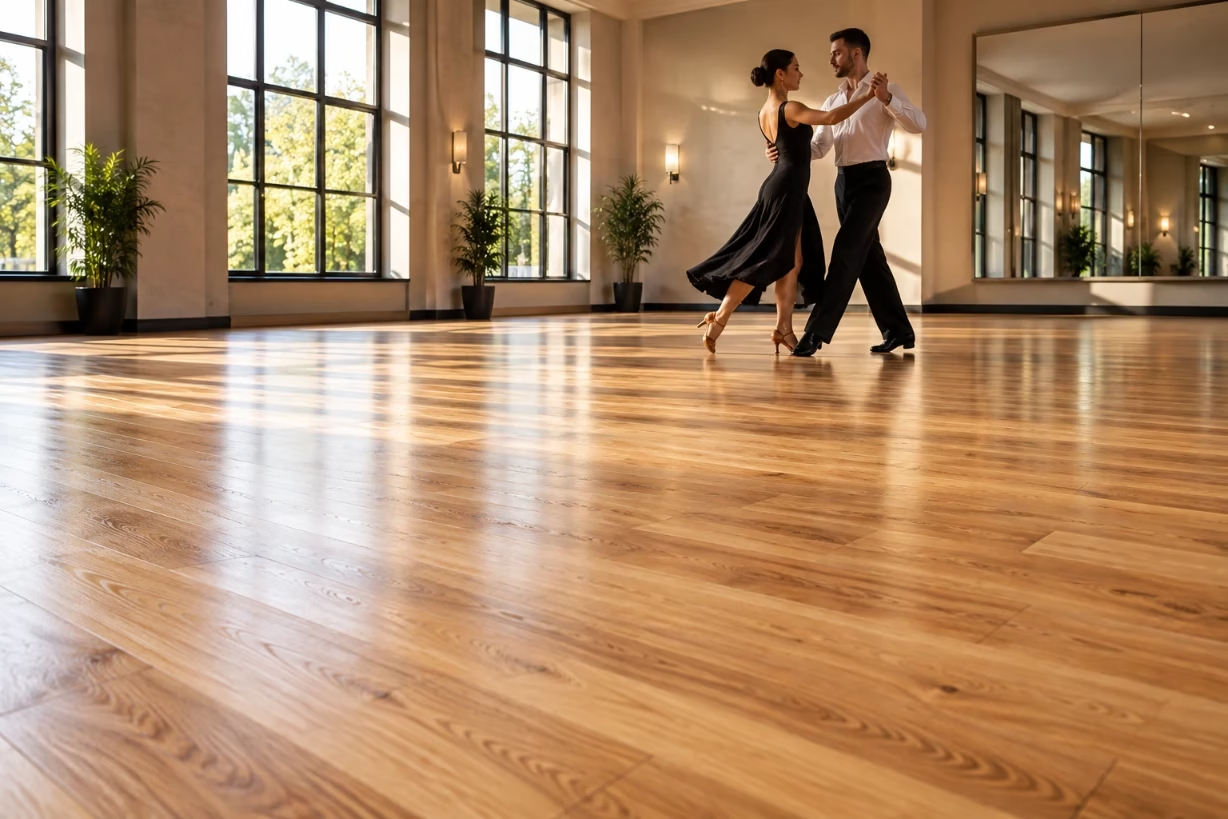
A sanded dance floor gives you a smoother, safer, more beautiful surface that feels better under your feet, protects your body, and helps your dancing look sharper. It also lasts longer, is easier to clean, and makes your whole space feel more polished and professional.
If you spend any real time dancing, you eventually notice the floor more than almost anything else. The wrong surface feels sticky, rough, or slippery. Your foot catches, your turns feel off, and your knees complain the next morning. That is where a sanded dance floor makes a huge difference. When I talk about getting a sanded dance floor installed, I am talking about a wood floor that has been carefully sanded flat and smooth, then finished so it feels consistent under every step.
What Is A Sanded Dance Floor, Really?
A sanded dance floor is usually a wood floor that has been leveled and smoothed using professional sanding machines before sealing or finishing. The sanding removes old finish, scratches, dents, and uneven spots. It also opens up the wood so it can bond better with new finish. The result is a dance surface that feels even, has predictable grip, and responds well to movement.
So when you hear someone say they want a sanded dance floor, they want more than a pretty look. They want a floor that supports their body, their technique, and their style of dance, from ballroom and ballet to salsa and hip hop.
Why A Sanded Dance Floor Matters For Your Body
Most people only think about how a floor looks. I think first about how it feels in your joints. Every jump, turn, or quick change of direction sends force up through your ankles, knees, hips, and spine. A sanded dance floor can help manage that force in a safer way.
Smoother Surface, Less Risk Of Trips And Falls
Rough, uneven boards, old finish drips, or slight ridges between planks can catch the edge of your shoe. Even a small bump can throw off your balance during a spin. A properly sanded dance floor knocks down these high spots and blends transitions between boards, so your shoe glides the same way across the entire surface.
That consistent smoothness means fewer surprise stumbles. When your brain trusts the floor, your body can focus on timing, line, and expression, instead of constantly bracing for a bad spot.
Controlled Grip To Protect Knees And Ankles
Grip is a huge part of why someone chooses a sanded dance floor over a cheap, glossy surface. If the floor is too slick, you slide out. Too sticky, and your foot stays planted while the rest of your body turns, which is a fast way to hurt a knee or twist an ankle.
When the wood is sanded correctly and finished with the right product, you get a sweet spot of traction. Your feet can turn when they need to, but you still feel grounded. This balance can reduce strain on your joints over time, especially in dance styles with lots of spins and quick direction changes.
More Give, Less Impact On Joints
Many sanded dance floor systems are installed over underlayments or sprung structures that allow a bit of flex. The sanding process itself does not add spring, but it lets that spring work the way it should by keeping the boards flat and tight. Instead of slamming on a hard, uneven surface, you land on a smooth, slightly forgiving platform that cushions each jump.
For dancers who train often, that difference in impact can be the line between a healthy season and chronic soreness. A sanded dance floor supports your training goals by supporting your body in a more thoughtful way.
A Sanded Dance Floor Makes Your Dancing Look Better
People do not always connect technique with floor quality, but I see it all the time. When the floor is sanded and finished well, movement looks sharper, cleaner, and more confident.
Smoother Turns, Cleaner Lines
Imagine trying to do a clean pirouette or spin on a surface that has tiny bumps and dips. Your foot subtly adjusts every split second. Those micro corrections show up as wobbles in your lines. With a sanded dance floor, your supporting foot meets the same resistance from beginning to end of the turn. That consistent feedback helps you stack your body correctly and keep your center stable.
The same idea applies to lines and extensions. When your feet do not need to fight the surface, your muscles can direct more energy into stretch, control, and expression. Over time, that builds better technique and stronger habits.
Lighting, Reflections, And Overall Appearance
Look also matters, especially for studios, event halls, and performance spaces. A sanded dance floor accepts finish more evenly, so light reflects in a clean, uniform way. Instead of dull patches, shiny streaks, or visible sanding marks from a poor job, you get a smooth visual plane that photographs and videos well.
This is especially helpful if you shoot content for social media, auditions, or promotional material. A sanded dance floor becomes part of your visual brand. It tells people you care about details and about the dancers working in your space.
Why Sanding Is Essential For New Installs And Renovations
Sometimes people ask if they can just lay down prefinished boards and skip sanding. Technically, yes, but you lose a lot of control over how the final floor feels and behaves. I think of sanding as the tuning step where the floor is adjusted to your space and your dancers.
Leveling And Flattening The Surface
Even high quality boards can have slight thickness differences or edges that sit a bit higher. Over a large room, those tiny variations add up. A professional sanding blends those boards into one flat plane. This helps prevent ridges where boards meet and keeps the dance floor from feeling patchy underfoot.
Preparing The Wood For Finish
Wood fibers respond differently depending on how they are sanded. If a floor is not sanded evenly or is scratched too deeply, the finish can soak into some spots more than others. That leads to blotchy color, dull patches, or areas that wear out faster.
A carefully sanded dance floor opens the wood in a controlled way, so sealers and finishes bond well and cure more evenly. This improves both appearance and durability.
Fixing Old Damage And Extending Floor Life
For older studios or halls, sanding is often the reset button that brings a tired floor back to life. Deep scratches, worn traffic lanes, and stubborn scuff marks can usually be removed or greatly reduced during sanding. Instead of ripping out the whole floor, you can often sand and refinish it, getting a fresh, clean sanded dance floor without a full replacement.
Key Benefits Of Getting A Sanded Dance Floor Installed
When you weigh the cost and effort, it helps to look at the big picture. A sanded dance floor sets you up for better day to day use and lower stress over the long term.
1. Safer For Students, Pros, And Event Guests
Safety is the first reason I give when someone asks why they should get a sanded dance floor installed. Fewer trip hazards, better control of grip, and a surface that behaves the same way in every corner of the room all lower risk. If you teach kids or older adults, this matters even more.
2. Better Experience For Different Dance Styles
A well prepared sanded dance floor works for many styles. Ballroom and Latin dancers like the controlled slide. Contemporary and jazz dancers appreciate the blend of grip and give. Hip hop crews get a solid platform for footwork and freezes without feeling like they are moving on sticky plastic.
Even social dancers at weddings or parties feel the difference, even if they cannot name it. The space feels more inviting, and they stay on the floor longer.
3. Stronger First Impression For Your Space
When someone walks into a studio or venue, their eyes go straight to the floor. A clean, sanded dance floor signals care, quality, and professionalism without saying a word. If you rent your space, this can make a big difference in bookings and reviews.
4. Easier Cleaning And Ongoing Maintenance
An even, sealed surface traps less dirt in cracks, chips, or splinters. Daily sweeping and light mopping are usually enough to keep a sanded dance floor looking good. Over the years, you can buff and recoat instead of doing a full tear out. That saves money and keeps downtime shorter.
How The Sanding And Installation Process Usually Works
If you have never gone through it before, getting a sanded dance floor can sound mysterious. The process is straightforward when handled by someone who knows dance spaces, not just general flooring.
Initial Inspection And Planning
First, the installer checks the subfloor, humidity, levelness, and existing materials. They talk through how the space will be used. A ballroom that hosts heels all night, a ballet studio, and a multi use hall all place different demands on a sanded dance floor.
Installation Of The Wood Flooring System
Depending on your needs, the pro might install a sprung system, a floating floor, or nail down solid boards. The goal is a stable structure with just enough flex. Once the boards are down, they fill visible gaps and let the wood settle if needed.
Progressive Sanding For A Fine Finish
Then comes the core: sanding. The installer runs large sanding machines for the main area and smaller tools near walls and corners. They usually start with a coarser grit to remove defects and old finish, then move through finer grits for smoothness.
By the final passes, the surface should feel even and silky to the touch. At this point, you truly have a sanded dance floor, but it still needs proper sealing and finishing to handle real use.
Sealing And Finishing For Dance Use
After dust cleanup, the floor gets a sealer and several coats of dance friendly finish. This is where the installer adjusts for the level of shine and grip you want. A good pro will test small areas and let you feel them before committing to the full space.
Once the finish cures, you typically wait a bit before heavy use. After that, you have a fully functional sanded dance floor ready for classes, rehearsals, or events.
Common Mistakes People Make With Dance Floors
I see the same problems again and again when people skip the right sanding and finishing steps or try to treat a dance space like a living room.
Choosing A High Gloss, Slippery Finish
A mirror shine might look pretty in photos, but many glossy finishes get very slick, especially with dust or sweat on the surface. A sanded dance floor works best with a finish designed for performance, not just appearance. Slightly lower sheen options often give better traction and hide wear more gracefully.
Skipping Professional Sanding To Save Money
DIY sanding might sound tempting, but uneven passes, swirl marks, and dips can ruin the feel of your floor. You might end up paying more later to fix problems than you would have to get it done right the first time. Dance spaces are unforgiving; every flaw shows up under bare feet and careful steps.
Using Harsh Cleaners That Damage Finish
Strong solvents, waxes, or oil soaps can strip or dull the protective layer on your sanded dance floor. Over time, this creates sticky spots and uneven grip. Gentle cleaners recommended by the installer, combined with simple sweeping, usually work best.
How To Care For Your Sanded Dance Floor Long Term
Once you have invested in a sanded dance floor, simple habits will protect that investment for years.
Daily And Weekly Care Habits
Keep grit off the surface. Dust and tiny stones act like sandpaper under shoes. Regular sweeping or vacuuming with a soft head stops scratches before they start. Light damp mopping with an approved cleaner handles sweat, spills, and body oils.
Ask dancers and guests to change out of street shoes before stepping on the sanded dance floor whenever possible. This is one of the simplest ways to preserve the finish.
Periodic Professional Maintenance
Depending on traffic, your floor will eventually show wear lanes. Instead of waiting until it looks ruined, schedule a buff and recoat. This lighter process refreshes the finish without deep sanding and keeps your sanded dance floor healthy.
Address Moisture And Climate Issues Early
Wood moves with humidity. If you notice cupping, gaps, or squeaks, contact a professional sooner rather than later. Quick adjustments or small repairs can prevent bigger floor problems and keep your dance surface smooth and secure.
Is A Sanded Dance Floor Worth The Investment?
From studios and theaters to home practice spaces, a sanded dance floor is not just about luxury. It is about safety, training quality, and overall experience. When you consider fewer injuries, better performance, stronger first impressions, and easier maintenance, the long term value is clear.
If you love dance or your business depends on it, the floor you choose sends a message. A sanded dance floor tells your body, your students, and your guests that movement matters enough to do the foundation right.
Final Thoughts On Choosing A Sanded Dance Floor
At the end of the day, you spend hours on this surface. Every rehearsal, every lesson, every performance comes back to how the floor feels under your feet. A well installed, well finished sanded dance floor supports your body, helps your technique, and makes your space feel cared for and complete.
Whether you are planning a new studio, upgrading an event hall, or finally building that home dance room, taking the time to get a true sanded dance floor installed is one of the smartest choices you can make for your dancing life.