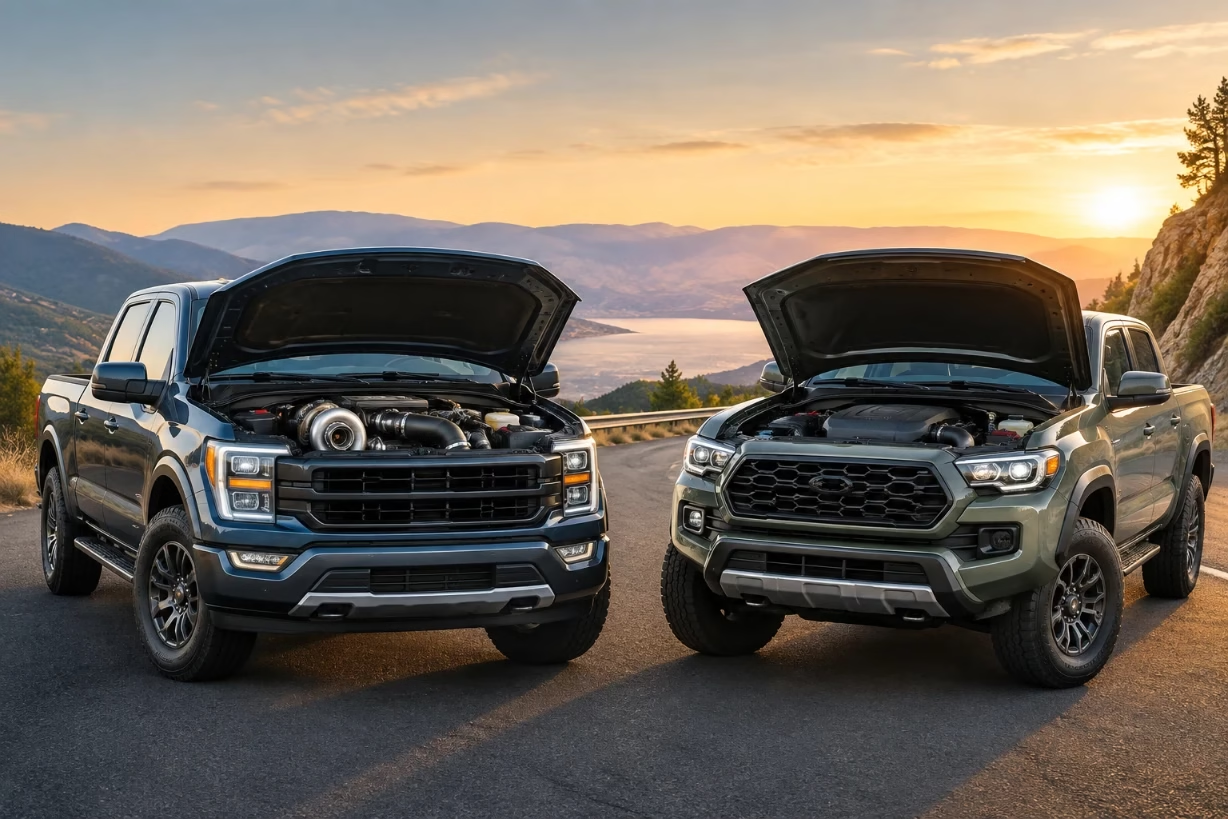
Ford EcoBoost Toyota V6 comparison shows that EcoBoost engines focus on small size with turbo power and strong torque, while Toyota V6 engines focus on smooth, natural power and long term durability. The right choice depends on how you drive, tow, and plan to keep your vehicle.
When someone asks me about a ford ecoboost toyota v6 comparison, I do not just think about power numbers on a chart. I picture the way each engine feels on a highway on-ramp, pulling a trailer up a long hill, or idling in traffic on a hot day. Numbers matter, but how a truck or SUV lives with you every day matters even more.
Why People Care About Ford EcoBoost Toyota V6 Comparison
Many drivers are stuck between a Ford with an EcoBoost turbo engine and a Toyota with a traditional V6. On paper, the Ford EcoBoost often shows more torque at lower RPM, while the Toyota V6 usually offers a simple, proven setup that many owners trust for the long haul. This is why the ford ecoboost toyota v6 comparison shows up so often in truck and SUV forums, dealer lots, and coffee shop debates.
I will walk through what the comparison really shows when you look past the ads and dig into how these engines work, what they cost to own, and how they feel to live with. If you are trying to pick between them, I want you to come away with a clear sense of which one fits your life, not just which one wins a spec sheet battle.
How The Engine Designs Differ At A Basic Level
Before going deeper into the ford ecoboost toyota v6 comparison, it helps to keep the designs straight in your mind. Ford EcoBoost engines are smaller displacement engines with turbochargers and direct injection. Toyota V6 engines in their trucks and SUVs are usually naturally aspirated V6 engines with no turbo, often paired with port or direct injection depending on the model year.
Ford EcoBoost: Small Engine, Big Turbo Punch
When you see “EcoBoost” on the back of a Ford, what you are really looking at is a downsized engine using turbochargers to make the power of a larger one. For example, a 2.3 liter or 2.7 liter EcoBoost can match or beat the power of older, bigger engines while trying to sip less fuel when driven gently.
In normal language, EcoBoost means this: the engine can feel strong and quick because the turbo feeds more air into the cylinders, but it can also feel like a small engine when you are just cruising. That mix is part of the appeal. In the ford ecoboost toyota v6 comparison, this gives Ford a clear edge in low RPM torque and quick throttle response when the turbo spools up.
Toyota V6: Old School Feel With Modern Tweaks
Toyota V6 engines lean on a more classic layout. There is no turbo, so the engine makes power by revving higher and breathing well without forced air. Many drivers like this because the power build is smooth and predictable. There is less to worry about in terms of added hardware.
When I compare a Toyota V6 to a Ford EcoBoost engine, I notice that the V6 usually feels more linear. It does not surge as suddenly when boost hits. The ford ecoboost toyota v6 comparison here becomes a question of character. Do you want a calm, steady pull, or do you enjoy the surge of turbo torque when you lean into the gas pedal?
Power And Torque: Who Feels Stronger Day To Day
Most buyers look up horsepower and torque as the first step in any ford ecoboost toyota v6 comparison. That makes sense, but raw numbers can be misleading if you do not pay attention to where the power sits in the rev range.
Low End Torque And Towing Feel
EcoBoost engines are tuned to make a lot of torque down low. This is why a smaller Ford turbo engine can sometimes tow as well as, or better than, a bigger natural engine on paper. When you are pulling a boat out of a ramp or starting up a steep hill, that low end torque gives a relaxed feeling. You do not need to rev the engine as high to move the weight.
Toyota V6 engines usually have less torque at low RPM and develop power more in the mid to upper range. When towing, you might notice the transmission downshifting more often. The engine can feel like it is working harder because the sound and RPM are higher. That does not always mean it is being harmed; it is just how these engines are tuned.
Highway Passing And Merging
On a highway on-ramp, a Ford EcoBoost can feel surprisingly strong. Once the turbo is active, the engine pulls with a rush that can surprise someone used to older V6 trucks. In a ford ecoboost toyota v6 comparison, this is one area where Ford often feels more “sporty” without needing a giant engine.
A Toyota V6 still offers solid power, but the push is more gradual. You may need a deeper press of the pedal and a kickdown gear change to get the same sensation of speed. Some drivers prefer this smooth, more gentle build of power, especially if they are not fans of sudden surges.
Real World Fuel Economy: What Owners Actually See
Marketing often suggests that a small turbo engine will save a lot of gas compared to a V6. The real story in a ford ecoboost toyota v6 comparison is more mixed and depends heavily on how you drive.
EcoBoost Fuel Use
If you drive calmly, coast a lot, and rarely floor it, an EcoBoost engine can return solid fuel numbers. The engine stays off boost much of the time, acting like a small motor that needs less fuel. But if you enjoy the power, tow heavy, or do a lot of stop and go driving, you can see the mileage drop faster than you might expect.
This is the double edge of the EcoBoost idea. The power is there when you call for it, but that power comes from more fuel and more air. Many owners find that real world mileage hovers around what a good V6 would deliver, not far above it, especially when towing or hauling.
Toyota V6 Fuel Use
Toyota V6 trucks and SUVs are not known for hybrid level economy, but they often deliver stable, predictable numbers. Since there is no turbo, your fuel use does not spike as sharply when you push the engine. You still burn more gas when you rev higher, but the change feels more linear.
In a long term ford ecoboost toyota v6 comparison, a lot of owners report that the actual gas cost per month ends up similar, unless the EcoBoost driver really focuses on gentle driving. If you know you have a heavy right foot, the V6 might be easier to live with because the penalty for using power is less dramatic.
Reliability, Longevity, And Maintenance Differences
When I help someone think through a ford ecoboost toyota v6 comparison, reliability questions always come up. This makes sense, because trucks and SUVs are long term tools, not just toys.
More Complexity With EcoBoost
EcoBoost engines pack in turbos, intercoolers, high pressure fuel systems, and often more complex emission systems. All of this is necessary to make big power from a small size while meeting modern rules. It does mean there are more parts that need care and can wear out.
Common owner concerns include carbon buildup on intake valves on certain direct injection designs, turbo wear if oil changes are skipped or done with poor oil, and more expensive parts when something fails after warranty. None of this means an EcoBoost engine is “bad” by design, but it does mean that you must treat maintenance as a serious task, not an afterthought.
Toyota V6 Reputation For Durability
Toyota V6 engines, especially in trucks like Tacoma and full size SUVs, have built a strong name for going many miles with basic care. They are not magic, and they do fail if abused, but the combination of simpler layout and conservative tuning gives them a safe margin.
In the ford ecoboost toyota v6 comparison, this is where Toyota usually wins in owner trust. Many buyers pick the V6 because they plan to keep the truck or SUV for ten or more years and want something that feels “over built” instead of “pushed hard” for every bit of power.
Maintenance Habits That Matter Most
If you pick a Ford EcoBoost, I strongly suggest these habits:
- Use the correct oil and change it on time or a bit early.
- Let the engine warm up before hard driving so the turbo sees warm oil.
- Do not skip spark plug changes; turbo engines are picky about ignition.
If you pick a Toyota V6, you still need to:
- Change oil and fluids on schedule, not just when something feels off.
- Pay attention to cooling system health on older, high mile vehicles.
- Fix small leaks or noises early before they grow into bigger issues.
Good care narrows the gap between them, but in a pure long term ford ecoboost toyota v6 comparison, a gently used Toyota V6 often edges out a hard used EcoBoost when both hit high mileage.
Driving Feel: How Each Engine Shapes Your Day
Numbers aside, the way the engine shapes your mood matters. When I test drive a Ford EcoBoost back to back with a Toyota V6, I feel a clear difference in personality.
EcoBoost Driving Personality
The EcoBoost setup tends to feel eager. Light throttle inputs give a quick response, and once the turbo pushes air, the engine can feel like it has a larger displacement. This gives a sense of fun and confidence, especially in city traffic where quick jumps into gaps are common.
However, some drivers mention that throttle response can feel a bit jumpy or that the power builds fast once boost hits. In low traction conditions, like wet or snowy roads, it can take a little time to get used to that surge. The ford ecoboost toyota v6 comparison in this setting becomes a question of comfort with turbo behavior.
Toyota V6 Driving Personality
The Toyota V6 usually feels calmer. Power builds more in line with how far you press the pedal. The sound at higher RPM has a more traditional growl that some truck fans love. There is less sense of “waiting for boost” and more of a direct link between your right foot and the engine.
If you value a composed, predictable feel, especially off road or in tricky conditions, the V6 layout can give you more peace of mind. It may not feel as quick in short bursts, but it rewards smooth driving and steady inputs.
Towing And Hauling: Workload Comparison
A big part of the ford ecoboost toyota v6 comparison centers on towing travel trailers, boats, or work gear. Both engine types can tow well, but they do it in different ways.
EcoBoost Under Load
Hook a decent trailer up to an EcoBoost truck, and you will notice the torque early. The Ford often pulls strongly without needing big RPM numbers. On long grades, the engine may stay at lower revs while the turbo works harder to keep speed.
The tradeoff is heat and stress on the turbo system. You must respect weight ratings, use tow/haul modes, and keep an eye on gauges. Long term heavy towing with minimal breaks can be harder on a small turbo engine than on a bigger, less stressed one.
Toyota V6 Under Load
Towing with a Toyota V6 usually means more revs when climbing or passing. The engine will not shy away from 4,000 or 5,000 RPM, and that sound may bother some drivers who think high revs equal harm. When built for it, though, the V6 can handle these loads as long as you stay within rated limits.
In a ford ecoboost toyota v6 comparison for frequent heavy towing, some drivers actually prefer the Toyota because it feels like the engine is working in a more natural way, instead of relying on forced induction. Others pick EcoBoost because of the strong low end pull and better numbers on paper. It comes down to how often, how heavy, and how far you tow.
Cost Of Ownership Over Time
Another hidden layer in any ford ecoboost toyota v6 comparison is cost of ownership. This includes fuel, repairs, insurance, and resale value.
Fuel And Maintenance Costs
As mentioned earlier, fuel costs between a real world EcoBoost and a V6 Toyota may be closer than you think, unless you drive with a very gentle touch in the Ford. Maintenance is where things spread out. EcoBoost engines sometimes call for pricier spark plugs, coils, and certain sensors. Turbos and related parts can be expensive if they ever fail after warranty.
Toyota V6 engines, with their simpler layout, usually have fewer high dollar items that can fail. Routine service still costs money, but surprises tend to be smaller and less common. Many owners see this as a big plus if they are planning to keep the truck well past the loan payoff date.
Resale Value And Market Perception
Resale is shaped by many things, but brand reputation plays a big role. Toyota trucks and SUVs are well known for holding value, in large part because buyers trust the V6 and overall build. That strong demand can keep used prices high.
Ford trucks with EcoBoost engines also hold decent value, especially in popular trims, but some buyers on the used market are cautious of turbo engines with unknown history. In a ford ecoboost toyota v6 comparison for resale value alone, Toyota usually has a small edge as vehicles age, though local markets can vary.
Which One Fits You Better
After going through this long ford ecoboost toyota v6 comparison, the key is not which engine “wins” in some perfect sense. The real win is picking the one that matches your habits and comfort level.
You might lean toward a Ford EcoBoost if you:
- Want strong low end torque and quick passing power.
- Enjoy a more modern, high tech feel under the hood.
- Are ready to follow maintenance rules closely and use good fuel.
You might lean toward a Toyota V6 if you:
- Value long term durability and simpler hardware.
- Prefer smooth, predictable power without turbo surges.
- Plan to keep the vehicle for many years or high miles.
When I sum up the ford ecoboost toyota v6 comparison in one thought, it is this: EcoBoost is about getting big power and flexibility from a compact, boosted setup, while the Toyota V6 is about steady, proven strength that many owners trust for the long run. Once you know your own driving style and plans, the right choice usually becomes clear.
Conclusion: What The Ford Ecoboost Toyota V6 Comparison Really Shows
The ford ecoboost toyota v6 comparison does not give a simple one word winner. Instead, it shines a light on two different ways of solving the same problem: how to move a heavy, useful vehicle with strength and some level of efficiency. Ford EcoBoost engines lean on turbos and modern tricks to deliver big torque and lively driving. Toyota V6 engines rely on a more traditional, naturally aspirated design that has earned a strong record for durability and predictable behavior.
If you want quick punch, enjoy new tech, and do not mind keeping up with detailed maintenance, a Ford EcoBoost can be very satisfying. If you want a calm, steady partner that many owners have driven for years with minimal drama, a Toyota V6 is hard to argue with. In the end, the best result of any ford ecoboost toyota v6 comparison is helping you pick the engine that fits your life, your budget, and your own sense of peace when you turn the key.