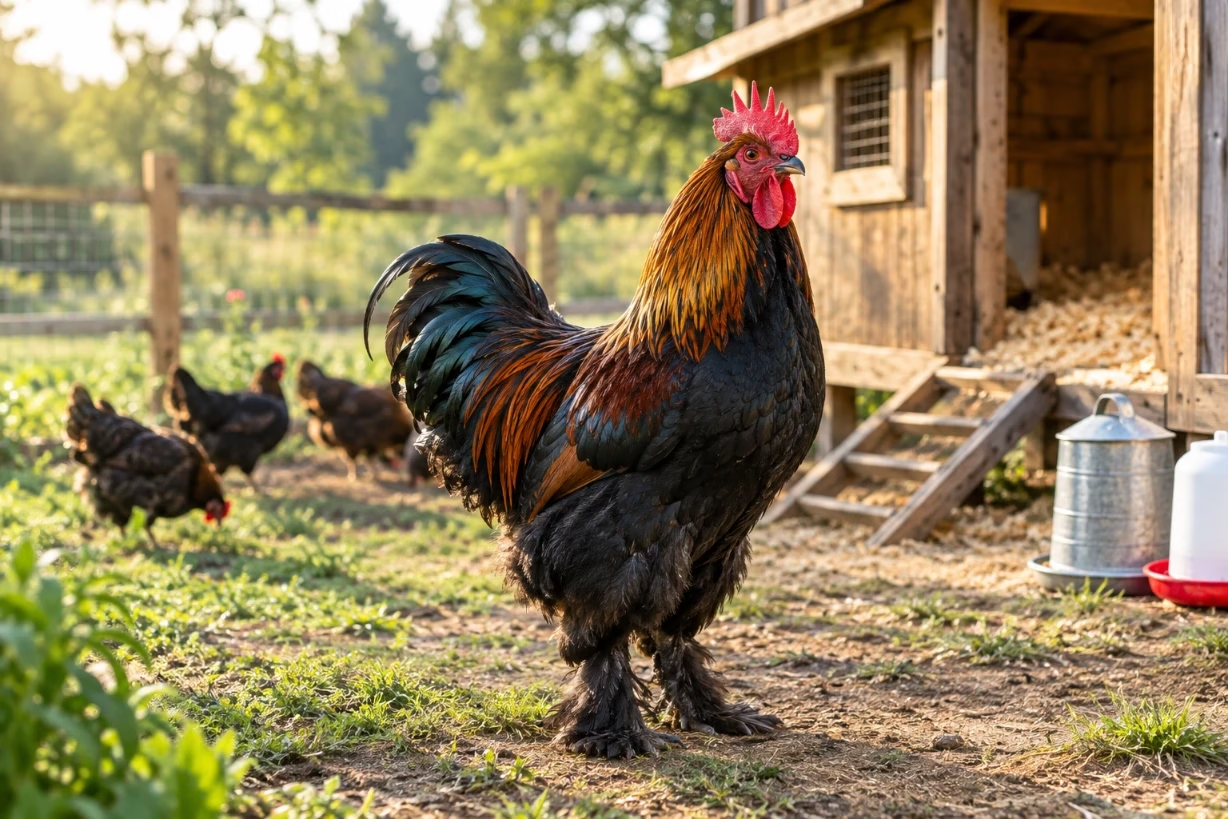
A black copper maran rooster needs dry, secure housing, steady feed, fresh water, enough hens, and calm handling. I also watch his feet, comb, weight, and behavior every day. Good care keeps this handsome farm rooster healthy, safer around people, and useful in a breeding flock.
What Makes a Black Copper Maran Rooster Different?
A black copper maran rooster is a large, solid farm bird known for his bold black body, rich copper feathers around the neck and saddle, slate-colored legs, and feathering on the outer shanks and toes. A mature cock can weigh around 8 pounds, so he needs more room and stronger housing than a smaller bantam or lightweight breed.
His looks are part of the appeal, but I would never choose a rooster only for color. A good black copper maran rooster should be alert, sturdy on his legs, broad through the chest, and confident without acting wild or mean. He should move easily, eat well, watch over the flock, and settle down at night without constantly picking fights.
Marans are often kept because the hens lay famous dark brown eggs. The rooster does not lay eggs, of course, but he matters greatly if I want fertile hatching eggs and future chicks with strong Black Copper Marans traits. That makes his health, temperament, body shape, and feather quality worth paying attention to from the start.
Build a Safe Coop for Your Black Copper Maran Rooster
A safe coop is the foundation of black copper maran rooster care. He needs a dry place to sleep, protection from wind and rain, fresh air above his head, and a secure barrier against predators. Raccoons, foxes, coyotes, loose dogs, rats, and hawks can turn a peaceful farm morning into a hard lesson.
I give standard-size chickens at least 3 square feet of indoor coop space per bird when they have regular access to a run. If birds stay indoors most of the time, I plan for 8 to 10 square feet per bird. More space is usually better, especially when a rooster shares quarters with hens. Crowding causes stress, feather pulling, dirty litter, and more fighting.
Use Roosts That Support His Weight
A black copper maran rooster needs a wide, sturdy roost because he is a heavier bird. A flat roost board or a rounded 2-by-4 with the broad side facing up is easier on his feet than a narrow perch. Set roosts low enough that he does not hurt his legs when jumping down, especially if he is older or has heavy feathered feet.
Give each bird enough roosting room so no one must sleep pressed against another chicken. Place droppings boards or deep bedding beneath the roost. I clean manure often because wet droppings raise ammonia levels, attract flies, and make the coop smell sharp and sour.
Ventilation Without a Cold Draft
Fresh air matters in every season. Moisture from breathing and droppings can build up quickly in a closed coop. Put vents high on the walls or near the roofline so warm, damp air can leave without cold air blowing directly over the birds at roost level. A coop should smell like clean bedding and dry wood, not like ammonia.
In summer, shade, clean water, and airflow help prevent heat stress. A rooster holding his wings away from his body, panting hard, or looking weak needs quick attention. In winter, keep bedding dry and protect his large single comb from severe frost.
Give Him a Predator-Proof Run and Outdoor Time
Your black copper maran rooster should have safe outdoor time whenever possible. A covered run gives him space to scratch, dust-bathe, look for bugs, and stay active without wandering into danger. Use strong hardware cloth instead of thin chicken wire for the lower walls and buried edges. Chicken wire may hold chickens in, but it does little against determined predators.
I prefer a roof or overhead netting on the run because hawks can strike fast, and climbing animals can enter from above. Bury hardware cloth several inches into the ground or bend it outward in an apron around the run. Check latches every evening. If a child can open a latch easily, a raccoon may figure it out too.
A black copper maran rooster may spend much of the day standing watch. He will call when he sees a threat, guide hens toward food, and sometimes step between hens and danger. Still, he is not a replacement for secure fencing. Even a brave rooster cannot reliably protect hens from a hungry dog or a nighttime predator.
Feed a Black Copper Maran Rooster for Strength, Not Excess Weight
A healthy black copper maran rooster needs a balanced poultry ration, not a bucket full of scratch grains. For an adult rooster living with laying hens, a quality all-flock feed is often a practical choice because it provides steady nutrition without relying on the high calcium level in layer feed. Offer oyster shell separately so laying hens can take what they need.
If your rooster lives only with other males or young birds, choose feed that fits their life stage. Clean drinking water must be available all day. In freezing weather, check it more than once because a frozen waterer can become a serious problem quickly.
I use treats sparingly. A small amount of vegetables, leafy greens, mealworms, or garden leftovers can be fine, but treats should not replace balanced feed. Too much corn, scratch, bread, or kitchen scraps can make a rooster fat. Excess weight puts strain on his feet and legs, makes mating harder, and can shorten his useful breeding life.
Keep Grit Available When Birds Eat Whole Foods
Chickens that eat grass, bugs, grains, or vegetables need insoluble grit to help grind food in the gizzard. If your flock free-ranges on rocky ground, they may find some naturally, but I still provide poultry grit in a separate container. Do not confuse grit with oyster shell. Grit helps digestion, while oyster shell supplies calcium for hens making eggs.
Match Your Rooster With the Right Number of Hens
A black copper maran rooster usually does best with a group of hens rather than one or two hens alone. A common starting point is about 8 to 12 hens for one active rooster, though the right number depends on his age, personality, flock space, and the hens’ condition. A young, energetic rooster may overmate hens even in a larger group.
Check the hens’ backs and shoulders every week. Missing feathers, bare spots, broken skin, or hens hiding from the rooster can mean he is mating too often. Hen saddles can protect feathers, but they do not solve every problem. Adding hens, separating the rooster for part of the day, or using a rooster pen may be a kinder answer.
Do not keep several mature roosters together in a cramped space. Some can live peacefully if they grew up together and have plenty of room, but fights can become serious fast. Watch for repeated chest bumping, spur injuries, bleeding combs, or one bird being blocked from food and water.
Handle a Black Copper Maran Rooster With Calm Confidence
Roosters are easier to manage when they learn that people are calm, predictable, and not a threat. I walk into the run without rushing, speak in a normal voice, and avoid chasing him unless there is an emergency. Chasing teaches a rooster that people are predators, which can make him more defensive.
If I need to pick him up, I move slowly, secure both wings against his body, and support his breast and legs. I do not grab him by one leg, wing, tail, or neck. A large rooster can flap hard, and rough handling can injure both the bird and the person holding him.
Never encourage fighting by tapping, teasing, or allowing a rooster to challenge shoes and hands. A black copper maran rooster that starts testing people should be corrected calmly by claiming space, not by kicking, hitting, or turning the encounter into a battle. Children should not enter the run alone if a rooster has shown aggression.
Know When Aggression Has Gone Too Far
Some warning displays are normal. He may drop one wing, dance sideways, crow, or call hens away from you. Repeated attacks, jumping at faces, using spurs, or targeting children are different. A dangerous rooster is not safe simply because he is beautiful or rare. Separate him immediately and make a clear plan for rehoming if calm management does not work.
Check His Health During Daily Farm Chores
The best health routine is simple and consistent. Spend a few minutes watching your black copper maran rooster each day while you refill feed and water. A healthy bird has bright eyes, clean nostrils, steady breathing, a red comb, smooth movement, and interest in food. His feathers should lie fairly close to his body and look clean rather than dull, broken, or heavily soiled.
Pay close attention to his feathered feet. Mud, manure, snow, and wet bedding can cling to the leg feathers. Check for packed debris, swollen toes, cuts, bumblefoot, mites, or broken feathers. Keeping the run dry is one of the simplest ways to protect those feet.
Common signs that call for quick action include:
- Refusing food or water, standing apart, or acting unusually quiet
- Wheezing, coughing, nasal discharge, or open-mouth breathing
- Watery or bloody droppings, weight loss, or a dirty vent
- Limping, swollen foot pads, pale combs, or sudden weakness
Isolate a sick bird from the flock while you assess the problem and contact an avian veterinarian or local poultry expert when symptoms are severe or spreading. Parasites can cause poor growth, poor condition, weakness, and lower flock performance. Clean litter, clean water, and regular checks help reduce the risk.
Control Parasites and Keep the Coop Clean
Cleanliness is not about making a coop look fancy. It is about breaking the cycle of moisture, manure, flies, mites, and disease. Remove wet bedding around waterers right away. Refresh nesting and roosting areas as needed. Wash water containers often enough that the water stays clear and free of slime.
Give your birds access to a dry dust-bathing area. Chickens naturally work dust through their feathers, which can help them stay comfortable. Check under wings, around the vent, and near the base of feathers for tiny moving insects, black specks, pale eggs stuck to feather shafts, or irritated skin.
New chickens can bring illness and parasites into an established flock. I keep new birds apart before introductions, use separate shoes or boots when possible, and do not share dirty crates or equipment between flocks. Wild birds should not be able to eat from your flock’s feed or drink from its water.
Prepare Your Rooster for Summer and Winter
During hot weather, make shade easy to reach and place several water stations around the run. Cool, clean water is often the first thing birds need. Avoid soaking the whole coop or turning the run into mud. Wet litter can create another health problem after the heat passes.
In winter, keep the coop dry, ventilated, and protected from driving wind. Roosters with large single combs can get frostbite in very cold, damp conditions. Deep, dry bedding and good ventilation are more helpful than sealing every crack in the coop. A stuffy coop traps moisture and can make frostbite worse.
I also inspect the black copper maran rooster’s legs after snowy or muddy days. Frozen clumps and wet manure can stick to his feathered shanks. Gently soften and remove buildup with lukewarm water if needed, then dry him well before returning him to cold weather.
Care for Him as a Breeding Rooster
If you keep a black copper maran rooster for breeding, choose health and temperament before dramatic color. He should have correct feathered shanks, a sound body, strong legs, a proper single comb, and no obvious deformities. In the American standard, Black Copper males have black chests, thighs, lower wings, and tails, contrasted with copper in the hackle and saddle feathers.
Keep clear records of hatch dates, parent birds, fertility, chick vigor, and any health issues. Do not breed birds that show chronic weakness, severe aggression, crooked toes, poor mobility, or repeated reproductive problems. A handsome rooster can pass along more than good color, so thoughtful selection matters.
Good black copper maran rooster care is steady care. Feed him well, keep his feet dry, give him enough hens and space, and handle him with calm respect. When his coop is clean and secure, his flock is balanced, and his health is checked daily, he can become one of the proudest and most useful birds on your farm.