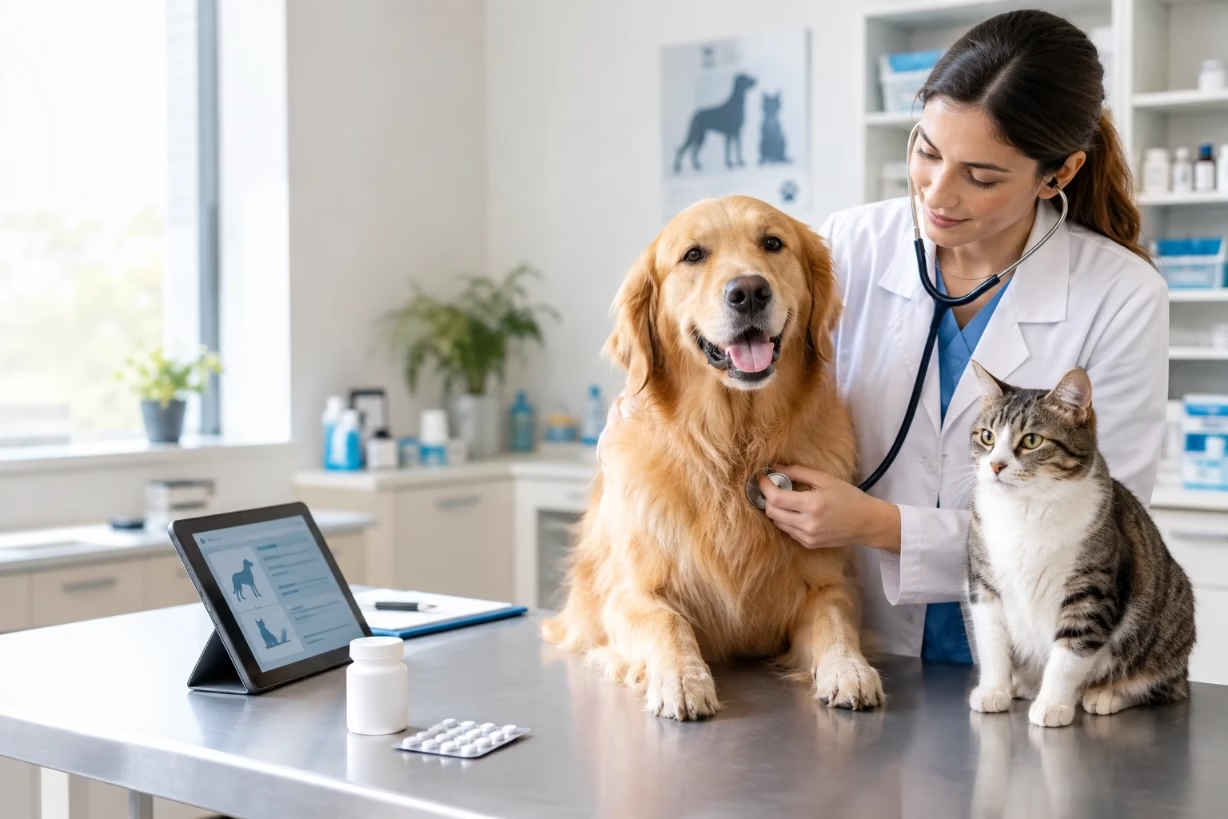
Bateril is not a clearly identified U.S. veterinary drug name. Many pet owners searching “bateril” may mean Baytril, a prescription antibiotic called enrofloxacin. It is used for certain bacterial infections in pets, but only a veterinarian should confirm the medicine, diagnosis, dose, and treatment plan.
What Is Bateril Used for in Pet Healthcare Management?
When someone asks what bateril is used for, the first step is to check the spelling on the prescription bottle, box, or vet invoice. There is no widely recognized FDA-listed pet medicine called bateril in the United States. In many cases, bateril is a misspelling or spoken version of Baytril, a veterinary antibiotic whose active ingredient is enrofloxacin.
If the product is Baytril, it may be used as part of pet healthcare management for bacterial infections that are likely to respond to enrofloxacin. A veterinarian may prescribe it for certain skin, urinary tract, respiratory, wound, or other susceptible bacterial infections in dogs and cats. It does not treat viruses, fungi, worms, allergies, or every type of stomach upset. The right treatment depends on what is causing the pet’s symptoms. FDA records identify Baytril as a brand name for enrofloxacin, an antibiotic for veterinary use.
I would treat the word bateril carefully rather than assuming it always means the same medicine. Brand names can vary by country, and a single wrong letter can point to a different product. Before giving any tablet, liquid, ear product, or injection, match the exact drug name, active ingredient, strength, route, and directions with the veterinarian’s written instructions.
Is Bateril the Same as Baytril?
In pet care conversations, bateril often appears to mean Baytril. Baytril is a prescription antibacterial medicine containing enrofloxacin, which belongs to a group of antibiotics called fluoroquinolones. These drugs work by disrupting key processes bacteria need to copy their DNA and multiply. As the bacteria are controlled, the pet’s immune system has a better chance to recover.
That does not mean every infection needs bateril or Baytril. A dog scratching its ears may have yeast, mites, allergies, a foreign object, or bacteria. A cat peeing outside the litter box may have stress, crystals, bladder inflammation, kidney disease, or a true urinary infection. Giving an antibiotic without a diagnosis can delay proper care and may make future infections harder to treat.
For this reason, a vet may recommend a physical exam, urine test, skin sample, ear swab, bloodwork, X-rays, or bacterial culture before choosing a medication. A culture can help identify the bacteria and show which antibiotics are most likely to work. This is especially useful when an infection keeps coming back, does not improve as expected, or has already been treated with another antibiotic.
Common Pet Conditions a Veterinarian May Treat With Bateril
When bateril refers to Baytril or enrofloxacin, it is generally considered a broad-spectrum antibiotic option. Still, “broad-spectrum” does not mean “right for everything.” The medicine is selected based on the pet’s species, age, body weight, health history, infection site, test results, and other medications.
Skin, Wound, and Soft-Tissue Infections
Dogs can develop bacterial skin infections after allergies, scratching, flea bites, injuries, hot spots, surgery, or skin-fold irritation. The skin may look red, crusty, moist, swollen, or sore. It can also smell unpleasant. A veterinarian may consider an antibiotic such as Baytril when testing and clinical findings support a susceptible bacterial infection.
A medication alone may not solve the entire problem. A dog with chronic skin trouble may also need parasite control, allergy care, medicated bathing, a diet review, wound cleaning, or treatment for an underlying hormone condition. This is where bateril fits into healthcare management: it may address bacteria while the larger cause is being handled.
Urinary Tract Infections
Pets with a urinary infection may strain to urinate, ask to go outside more often, pass small amounts of urine, have accidents indoors, or show blood in the urine. Cats may visit the litter box repeatedly and cry or lick around the urinary area. Those signs deserve fast attention, especially in male cats, because a urinary blockage can become life-threatening.
Veterinarians do not always assume urinary signs mean infection. A urine sample can reveal bacteria, crystals, blood, inflammation, or changes related to kidney and bladder health. If bacteria are found and the organism is susceptible, bateril may be part of the treatment plan. A recheck may be needed to make sure the problem is truly resolved.
Respiratory and Other Bacterial Infections
Some bacterial respiratory infections can cause coughing, nasal discharge, fever, low energy, or reduced appetite. Infections may also occur in deeper tissues, wounds, or organs. The treatment choice depends heavily on the likely bacteria and the pet’s condition. A pet having trouble breathing, collapsing, refusing water, or becoming very weak needs urgent veterinary care rather than home treatment.
Baytril tablets are approved for bacterial diseases involving organisms susceptible to enrofloxacin in dogs and cats. The medicine should be prescribed for the individual pet, not selected based only on symptoms described online.
Why a Veterinarian Must Diagnose Before Prescribing Bateril
Antibiotics are powerful tools, but they are not harmless shortcuts. Using the wrong antibiotic can cause side effects without curing the illness. It can also reduce the chance that the best medication will work later. Bacteria can adapt over time, which is one reason veterinarians use antibiotics thoughtfully instead of automatically.
A good bateril treatment plan starts with a clear answer to several questions:
- Is the illness actually caused by bacteria?
- What body system is affected?
- Does the pet need a culture and sensitivity test?
- Is the pet young, pregnant, nursing, elderly, or managing another disease?
- Could another medication, supplement, or diet item affect treatment?
These questions matter because a cheerful adult dog with a small skin infection is not the same as a dehydrated senior cat with kidney concerns. Pets process medicines differently from people and differently from each other. Even two dogs of the same breed may need very different care.
Never give a pet leftover bateril, another pet’s prescription, or human antibiotics. The FDA warns against sharing animal medications between pets unless a veterinarian says it is appropriate. Similar-looking labels, unclear abbreviations, and wrong strengths can lead to serious dosing mistakes.
How Bateril Fits Into a Safe Pet Medication Routine
When a veterinarian prescribes bateril, consistency matters. Set a phone reminder, write the dose time on a calendar, and keep the medicine in its original labeled container. If more than one person cares for the pet, make a simple check-off chart so nobody gives an accidental second dose.
Give the medication exactly as directed. Some forms may be given with food if stomach upset occurs, while other instructions may differ based on the product and the pet. Do not crush, split, hide, refrigerate, or stop the medication unless the vet or pharmacist says it is safe. A flavored chew, scored tablet, liquid, injectable medicine, and ear formulation can all have different handling rules.
If a dose is missed, call the prescribing clinic or follow the instructions they gave you. Do not “catch up” by doubling the next dose. Extra medication can raise the risk of toxicity, especially in small pets or cats. Keep fresh water available unless the veterinarian has given special fluid instructions.
Helpful Medication Tracking Details
Pet owners often remember the medicine name but forget the details that help the vet judge progress. I recommend keeping a short daily note with the dose time, appetite, water intake, bathroom habits, energy level, and any unusual signs. A few clear notes can be more useful than trying to remember everything during a follow-up call.
For a skin problem, take a photo in good lighting every two or three days. For an ear infection, note head shaking, odor, discharge, or signs of pain. For urinary issues, track frequency, straining, accidents, and urine appearance. These practical observations help show whether bateril is working or whether the treatment plan needs to change.
Bateril Side Effects and Safety Concerns for Dogs and Cats
Every medication can cause side effects. With enrofloxacin products such as Baytril, possible digestive signs may include vomiting, diarrhea, poor appetite, or stomach discomfort. Some pets may seem tired, restless, unsteady, or different in behavior. Contact the veterinarian if your pet has concerning signs, especially if they are severe, sudden, or getting worse.
Cats need special attention with enrofloxacin. Higher doses have been associated with eye problems, including dilated pupils, retinal damage, vision loss, and blindness. If a cat taking suspected bateril or Baytril develops unusually large pupils, bumps into objects, seems unable to see, or acts disoriented, contact an emergency veterinarian right away. FDA information warns not to exceed the labeled daily cat dose and notes the retinal risk.
Growing dogs may also need another option. Fluoroquinolone antibiotics can affect developing cartilage, so veterinarians are cautious with puppies and other young animals during rapid growth. Dogs with seizure disorders, liver concerns, kidney concerns, dehydration, or a history of reactions to this medicine may need closer monitoring or a different drug.
Tell the veterinarian about every medication and supplement your pet receives. This includes flea and tick products, joint chews, probiotics, antacids, vitamins, herbal products, and medicines from another clinic. A product that seems minor can still affect absorption, side effects, or the overall treatment plan.
Signs Bateril May Not Be Working
Pet owners naturally want to see fast improvement. Some pets look brighter within a few days, but the timeline depends on the type and severity of infection. A deep skin infection may heal more slowly than a mild bladder infection. The pet should still be watched closely, and the veterinarian should be contacted if there is no improvement within the expected timeframe.
Call the clinic promptly if your pet gets worse, stops eating, vomits repeatedly, has severe diarrhea, becomes weak, has facial swelling, develops a rash, struggles to breathe, has seizures, or shows vision changes. Do not wait until the next scheduled dose if the signs are alarming.
Also remember that a pet can look better before the infection is completely controlled. Stopping bateril early because the redness, cough, or discomfort has improved may allow surviving bacteria to multiply again. On the other hand, do not continue the medicine longer than prescribed without veterinary advice. Both decisions should come from the clinician managing the case.
How to Confirm Whether Your Pet Has Bateril or Another Drug
Look at the prescription label and find the active ingredient. Do not rely only on a handwritten note, a remembered name, or a photo from a social media post. The label should show the drug name, strength, pet’s name, directions, prescribing clinic, and refill information. If the label says enrofloxacin or Baytril, you have a clearer starting point.
If it truly says bateril, call the clinic or dispensing pharmacy before giving it. Ask them to spell the name, explain what it treats, confirm the active ingredient, and repeat the instructions in plain language. This small call can prevent a frightening error. It is especially smart to confirm the medication if your pet is a cat, a puppy, a senior pet, pregnant, nursing, or taking other drugs.
Final Thoughts on Bateril in Pet Healthcare Management
Bateril is most often searched as a possible name for Baytril, the veterinary enrofloxacin antibiotic used for selected bacterial infections in pets. The safest approach is not guessing. Confirm the exact product, follow the veterinarian’s plan, watch for side effects, and report changes quickly. Used correctly, bateril can be one part of careful pet healthcare management, but it should never replace a proper diagnosis or professional veterinary guidance.